

Building Your Own Home in Vancouver? Here's How Construction Financing Works in 2026
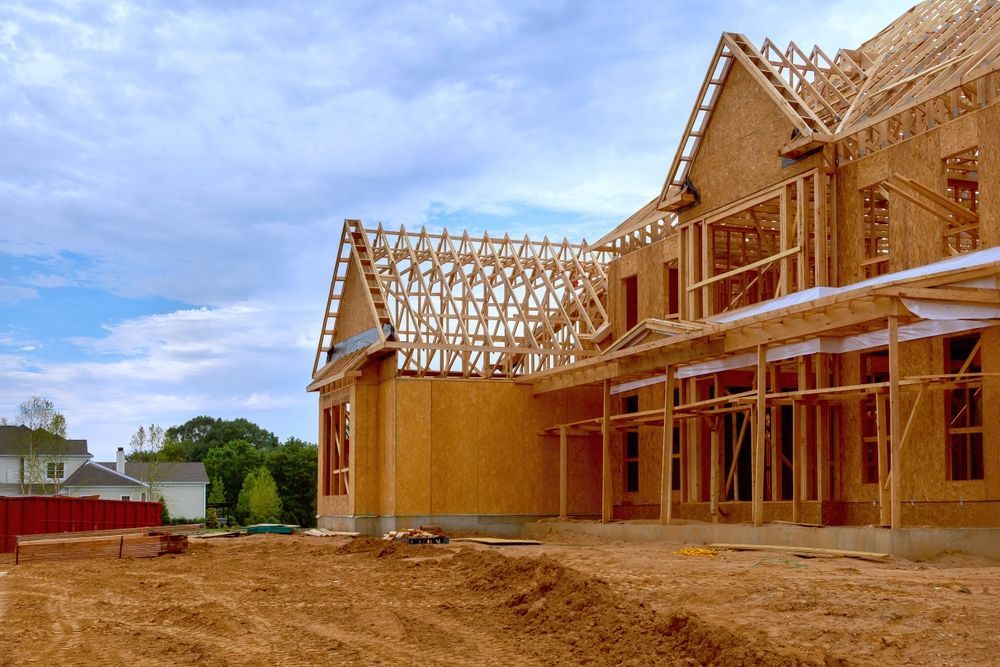
Building your dream home in Metro Vancouver sounds incredible, but the financing works completely differently from buying an existing house. Most people are caught off guard by how much cash is needed up front. Here is exactly what to expect.
Why 2026 Is a Complicated Time to Build in BC
Construction costs rose in every major Canadian city in the first quarter of 2026, according to Statistics Canada. Skilled labour shortages are being flagged by builders across BC, and retaliatory tariffs on steel and metal products have pushed material prices higher since late 2024.
At the same time, housing starts in Vancouver are slowing. CMHC reports that Vancouver starts have declined for two consecutive years and is forecasting further slowing through 2026 to 2028.
That means fewer builders are taking on new projects, which makes getting your financing structured correctly even more critical.
"Building is getting harder and more expensive. The people who succeed are the ones who plan their financing before they break ground."
The 5% Down Rule Does Not Apply Here
You cannot finance a new build the same way you would buy an existing home. For most construction deals in BC, plan to bring 25 to 35 percent of the total finished value from your own pocket.
And here is the part most people miss: the bank wants your money first. You do not get to borrow everything up front and then add your contribution later.
Step by Step: How the Money Is Released
Construction mortgages work in stages called draws. The lender releases funds as your build hits key milestones:
- An initial advance on the land purchase is typically around 65 percent of the land's appraised value.
- Your own cash covers early construction costs. You pay the trades before the bank advances anything.
- At lockup, when the building is weather-tight, the bank sends an appraiser and releases the next draw.
- Another draw at drywall, then a final release when the home is complete and inspected.
Between draws, you pay interest only on what has been advanced so far, not the full loan amount in most cases. That helps with cash flow. But you still need enough reserves to bridge the gaps.
What Lenders in BC Are Looking For Right Now
Lenders are watching construction deals more carefully than they were a few years ago. Metro Vancouver saw a record 30,855 home completions in 2025, and some developers are already pausing or cancelling projects as costs bite.
For your personal build, they want to see:
- A detailed, realistic budget with contingency built in. Construction almost always runs over.
- A licensed, reputable builder or general contractor.
- Proof of your cash reserves and a clear timeline of when you plan to use them.
- An income that can comfortably cover the construction loan interest and your current living costs throughout the build.
The Most Important Step You Can Take Today
Talk to a mortgage broker before you buy the land. Not after. Many people in Vancouver tie up all their savings in a lot and then discover the numbers do not work for the build.
Map out the full picture first: how much the bank will advance, what you need in reserves, and what your carrying costs look like from day one to completion.
Ready to run the numbers? Contact Rowan before you commit to a lot; a 20-minute conversation could save you from a very expensive surprise.